In this blog, I will explore some of the amazing facts and features of these tiny wonders.
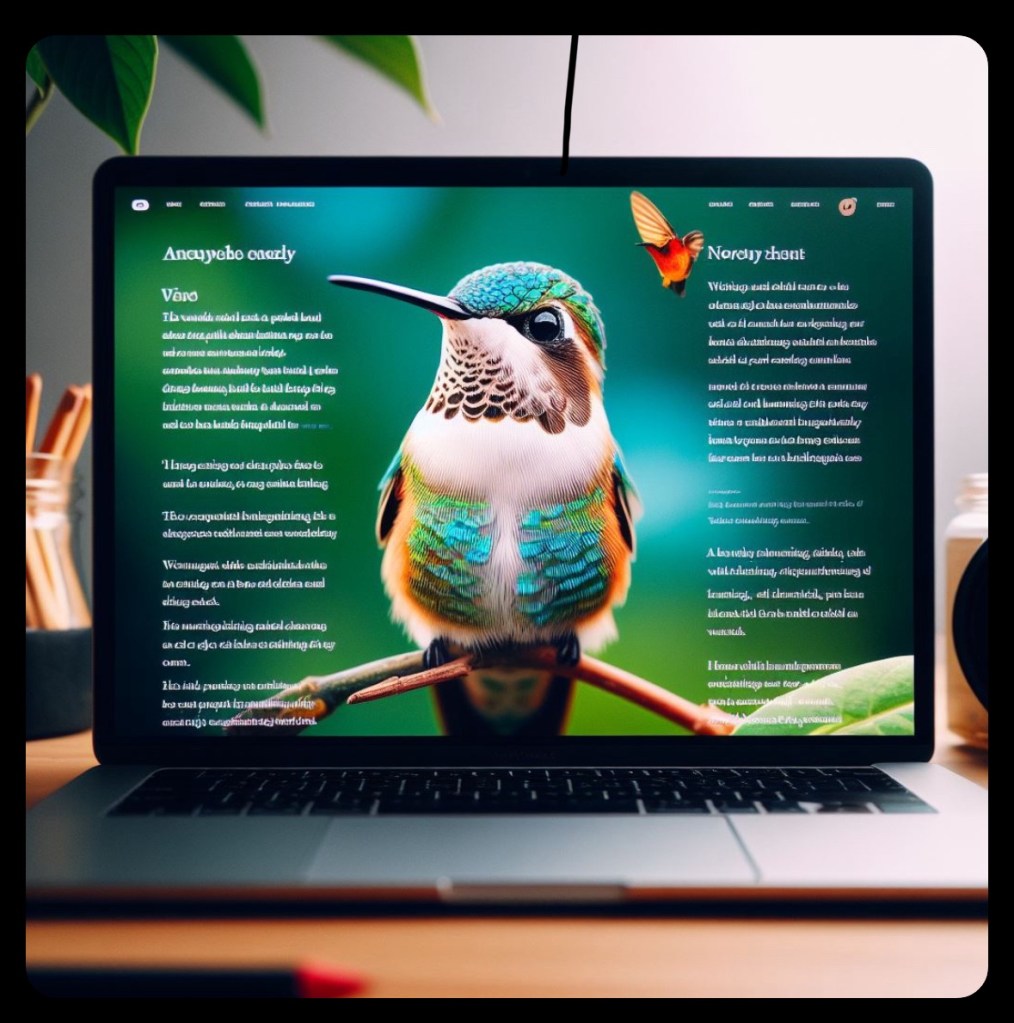
## What are hummingbirds? Hummingbirds are small, colorful birds that belong to the family Trochilidae. They are found only in the Americas, from Alaska to Tierra del Fuego, and there are more than 360 species of hummingbirds. Some of the most common species in North America are the Ruby-throated Hummingbird, the Rufous Hummingbird, the Anna's Hummingbird, and the Broad-tailed Hummingbird. Hummingbirds have a distinctive appearance, with long, slender bills, iridescent feathers, and short legs. They also have a unique flight mechanism, with wings that can rotate at the shoulder, allowing them to fly in any direction. Hummingbirds can hover in mid-air, fly backwards, sideways, and even upside-down. They can also fly at speeds of up to 33 miles per hour and flap their wings up to 80 times per second. The humming sound that they make is produced by the rapid movement of their wings.
## What do hummingbirds eat? Hummingbirds feed mainly on nectar and small insects. They have a long, tubular tongue that can extend and retract to sip nectar from flowers. They can also catch insects in mid-air or pick them from leaves and spider webs. Hummingbirds have a very high energy demand, as they burn calories at a fast rate to maintain their body temperature and flight. They can consume up to half their body weight in nectar every day, and visit hundreds or thousands of flowers. They also need to drink water to stay hydrated and balance their sugar intake. Hummingbirds can store some fat in their bodies, which helps them survive cold nights or long migrations. They can also enter a state of torpor, which is a deep sleep that lowers their body temperature and metabolic rate, to conserve energy. ## How do hummingbirds reproduce? Hummingbirds are mostly solitary and territorial, except during the breeding season. They attract mates with their colorful plumage, vocalizations, and aerial displays. Male hummingbirds often perform courtship dives, where they fly high in the air and then dive down at high speed, making a loud noise with their tail feathers. Female hummingbirds are the ones that build the nests, lay the eggs, and raise the young. They usually lay two eggs, which are about the size of a pea, and incubate them for two to three weeks. The chicks hatch blind and featherless, and depend on their mother for food and warmth. They grow quickly and leave the nest after three to four weeks. Hummingbirds can breed more than once in a year, depending on the availability of food and habitat. ## Why are hummingbirds important? Hummingbirds are not only beautiful and amazing, but also ecologically and culturally important. They are vital pollinators for many plants, especially those with tubular, colorful, and fragrant flowers. They transfer pollen from one flower to another, helping the plants reproduce and produce seeds and fruits. Some plants have evolved to depend exclusively on hummingbirds for pollination, such as the passionflower, the heliconia, and the orchid. Hummingbirds also help control insect populations, by eating pests such as mosquitoes, aphids, and ants. Hummingbirds are also valued by many people and cultures, who admire their beauty, grace, and symbolism. They are often associated with joy, love, hope, and life. Some indigenous groups in the Americas consider hummingbirds as sacred and powerful, and use their feathers for rituals and ceremonies.
## How can we help hummingbirds? Hummingbirds face many threats, such as habitat loss, climate change, pesticides, predators, and diseases. Many hummingbird species are endangered or vulnerable, and need our help to survive and thrive. We can help hummingbirds by protecting and restoring their natural habitats, such as forests, meadows, and gardens. We can also plant native and hummingbird-friendly flowers, such as salvia, honeysuckle, and fuchsia, to provide them with food and shelter. We can also provide them with artificial feeders, filled with sugar water, to supplement their diet, especially during winter or migration. However, we need to make sure that the feeders are clean and safe, and that the sugar water is fresh and not too concentrated. We can also avoid using pesticides and other chemicals that can harm hummingbirds and their food sources. We can also support conservation efforts and organizations that work to protect hummingbirds and their habitats, such as the American Bird Conservancy¹, the Hummingbird Society², and the World Land Trust³. Hummingbirds are amazing creatures that deserve our admiration and respect. They are also important for the health and diversity of our ecosystems and cultures. By learning more about them and helping them, we can ensure that they continue to enchant and inspire us for generations to come.
 Social Commerce Coach
Leave a comment